
Cellulite
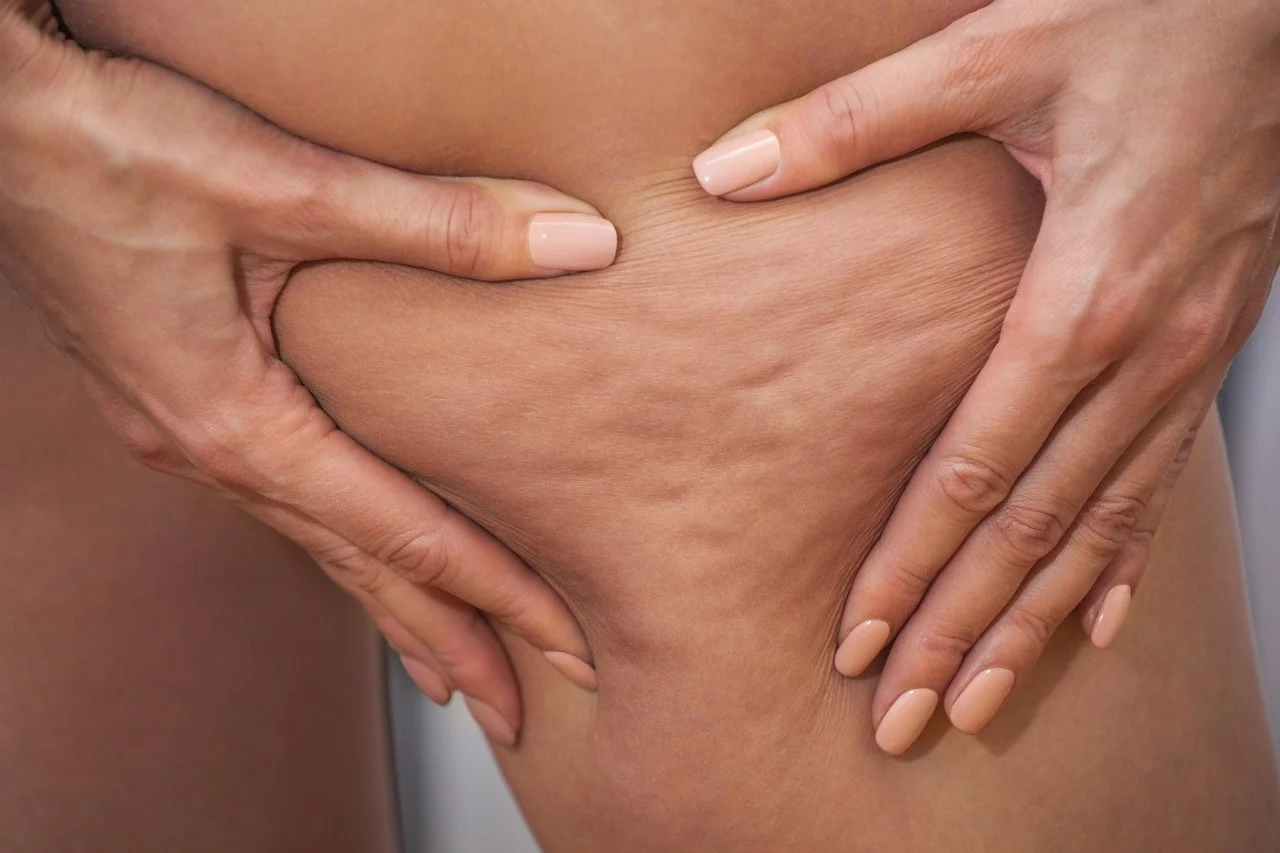
What is Cellulite?
Cellulite is a very common, harmless skin condition that causes a lumpy, "orange-peel" or dimpled appearance on the flesh. It is most prevalent on the thighs, hips, buttocks, and abdomen. While it affects both men and women, it is significantly more common in women due to the different distribution of fat, muscle, and connective tissue. Although it is not a medical concern, cellulite is a major aesthetic priority for many, as its appearance can persist regardless of fitness levels or body weight.
How Cellulite Forms
Cellulite occurs when the skin overlying certain areas of fat is pulled downward to the deeper tissues by connective tissue bands (septa). This creates an uneven surface:
Structural Tethering: Fibrous connective bands tie the skin to the underlying muscle, with the fat lying between them. As fat cells accumulate or enlarge, they push up against the skin, while the long, tough bands pull down. This creates the characteristic puckered or dimpled effect.
Hormonal Factors: Hormones such as oestrogen play a vital role. As women approach menopause, oestrogen levels decline, leading to decreased blood flow to the connective tissue and lower collagen production, which thins the skin and makes cellulite more visible.
Skin Thickness and Elasticity: As we age, our skin naturally loses its elasticity and becomes thinner. Thinner skin is less able to hide the irregularities created by the underlying fat and fibrous bands.
Circulation and Lymphatic Drainage: Poor circulation and inefficient lymphatic drainage can lead to fluid retention and the buildup of toxins in the fat layer, worsening the "puffy" appearance of cellulite.
How to Treat Cellulite
At Home: Jolanta’s Advice
While topical treatments cannot "cure" cellulite, a dedicated routine can improve skin texture and circulation:
Dry Body Brushing: Regular brushing in upward motions towards the heart can stimulate lymphatic drainage and boost circulation, helping to reduce the fluid retention that accentuates dimples.
Deep Hydration: Keep the skin on your body well-hydrated with rich moisturisers. Plumper, more hydrated skin is better at masking the irregularities of the tissue beneath.
Active Ingredients: Look for body creams containing caffeine or retinoids. Caffeine can help temporarily dehydrate fat cells, while retinoids help thicken the skin over time.
Lifestyle Integration: A diet low in processed salts and high in antioxidants, combined with regular strength training to build muscle tone, can help improve the overall smoothness of the skin.
At SCA Clinic
We offer clinical treatments designed to address the structural causes of cellulite by stimulating collagen and improving tissue quality:
RF Microneedling (Sylfirm X): This advanced treatment delivers radiofrequency energy deep into the dermis and sub-dermal layers. The heat helps to tighten the skin and remodel the connective tissue, smoothing out the surface appearance.
Mesotherapy: This involves a series of micro-injections of a bespoke cocktail containing vitamins, enzymes, and plant extracts. These ingredients are designed to improve circulation and break down the "congested" appearance of the fat layer.
Profhilo® Body: Similar to the facial treatment, this injectable hyaluronic acid helps to intensely hydrate and bio-remodel the skin on the body, improving laxity and "crepey" textures that make cellulite look worse.
Microneedling: By creating controlled micro-injuries, we trigger the body’s natural repair process, thickening the skin and improving its structural integrity.
For the best results and choice of treatment, book a consultation with Jolanta, Aesthetic Nurse Practitioner, to create a personalised treatment plan.
