
Dry & Loose Skin
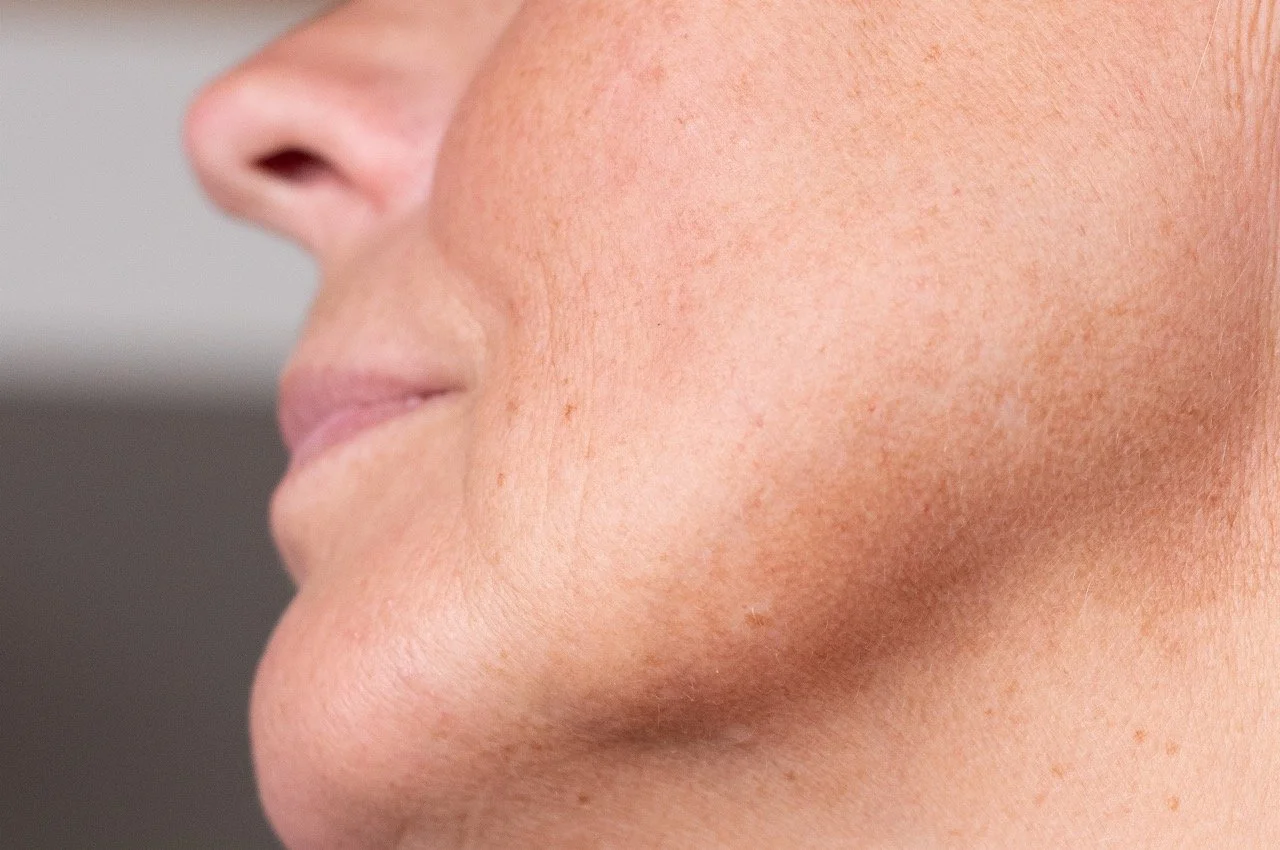
What is Dry & Loose Skin?
Dry and loose skin often occur together as the body’s natural structural support and hydration levels diminish. Dry skin, or xerosis, is characterised by a lack of moisture and essential oils in the stratum corneum (the outermost layer of skin), leading to a rough, flaky, or itchy texture. Loose skin, or laxity, occurs when the skin loses its ability to "snap back" into place. Together, these conditions can make the skin on the face and body appear thin, "crepey", and prematurely aged, often impacting how comfortable and confident a person feels in their own skin.
How Dry & Loose Skin Forms
The loss of firmness and moisture is a gradual process driven by biological changes and environmental stressors:
Depletion of Collagen and Elastin: Collagen provides the skin's framework, while elastin allows it to stretch and recoil. From our mid-20s, production of these proteins slows down, and existing fibres become fragmented, leading to skin sagging and laxity.
Reduction in Hyaluronic Acid: Naturally present in the skin, hyaluronic acid holds up to 1,000 times its weight in water. As levels drop with age, the skin loses its internal "plumpness" and becomes chronically dry.
Decreased Sebum Production: With age and hormonal shifts (such as menopause), the sebaceous glands produce less oil. This weakens the skin’s protective barrier, allowing moisture to escape and irritants to enter.
Environmental Exposure: UV radiation and pollution accelerate "photoageing," breaking down structural proteins and drying out the skin surface.
Weight Fluctuations: Significant weight loss can stretch the skin’s elastic fibres beyond their recovery point, leaving behind loose or hanging folds
How to Treat Dry & Loose Skin
At Home: Jolanta’s Advice
Restoring the skin's barrier and supporting its structure starts with a targeted daily regime:
Hydrate Strategically: Use moisturisers containing ceramides, glycerin, and hyaluronic acid to repair the skin barrier and lock in moisture.
Topical Retinoids: Incorporating Vitamin A (retinoids) into your routine can help stimulate collagen production and improve the thickness and resilience of the skin over time.
Gentle Cleansing: Avoid harsh soaps or hot water, which strip away natural oils. Opt for creamy, pH-balanced cleansers that nourish while they clean.
Sun Protection: Apply a broad-spectrum SPF 30+ daily to the face and body. This prevents further UV-induced damage to the elastin fibres that keep skin tight.
At SCA Clinic
We offer advanced clinical treatments designed to bio-remodel the skin and stimulate deep-seated repair:
Profhilo®: This "injectable moisturiser" uses high concentrations of hyaluronic acid to treat skin laxity. It doesn’t just hydrate; it triggers the production of four different types of collagen and elastin.
RF Microneedling (Sylfirm X): By combining radiofrequency energy with microneedling, this treatment heats the deeper dermis to tighten existing collagen and stimulate the growth of new, firming fibres.
Polynucleotides: A regenerative treatment that uses DNA fractions to repair skin at a cellular level, improving both hydration and elasticity in delicate areas.
Mesotherapy: A series of micro-injections delivering a bespoke cocktail of vitamins, minerals, and amino acids directly into the skin to restore radiance and suppleness.
Fractional CO2 Laser: This resurfacing technology creates microscopic "healing zones," encouraging the skin to tighten and replace dry, damaged cells with fresh, healthy tissue.
For the best results and choice of treatment, book a consultation with Jolanta, Aesthetic Nurse Practitioner, to create a personalised treatment plan.
