
Excessive sweating
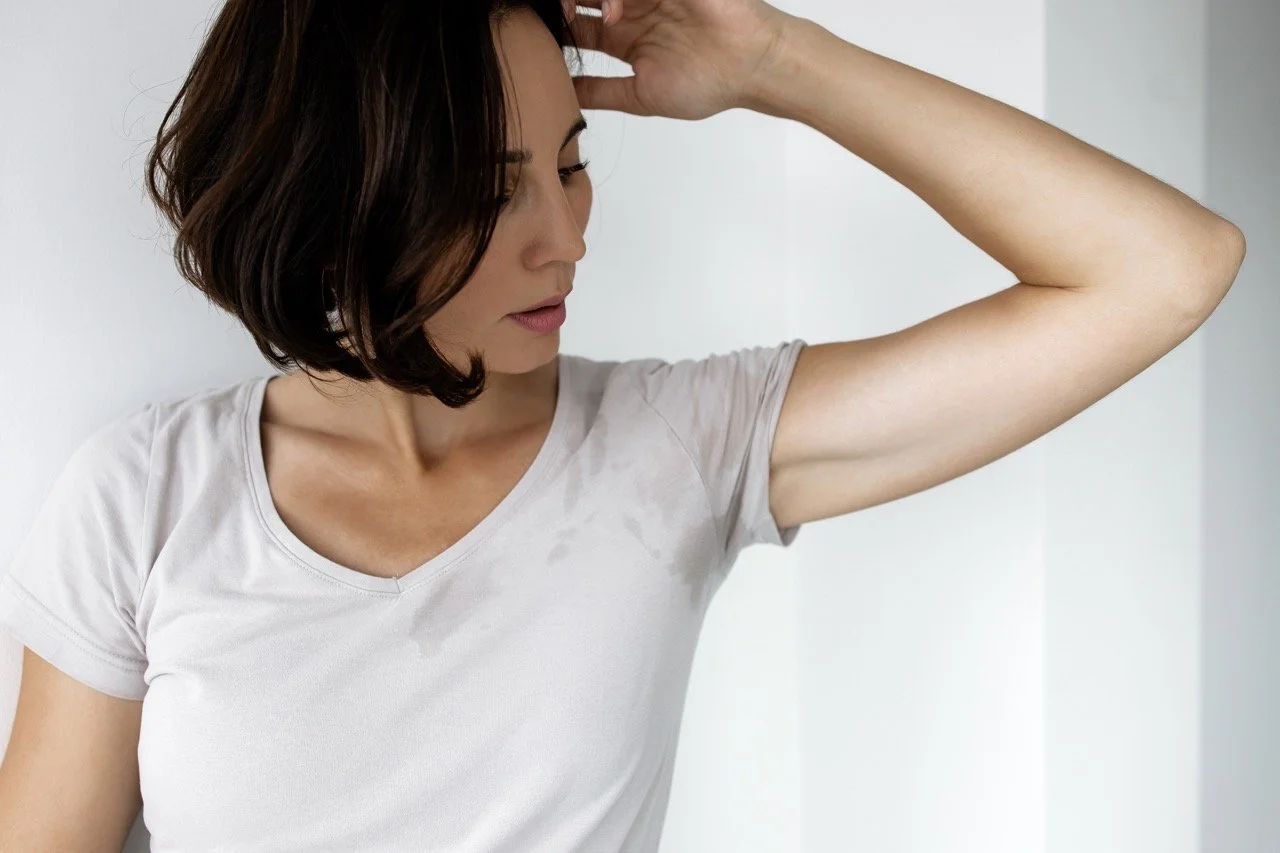
What is Excessive Sweating (Hyperhidrosis)?
Excessive sweating, medically known as hyperhidrosis, is a condition where the body produces sweat far in excess of what is needed to regulate body temperature. While sweating is a vital natural process to keep the body cool, those with hyperhidrosis find that their sweat glands are overactive, often triggering dampness even when at rest or in cool environments. This condition commonly affects the underarms, palms, and soles of the feet, and can lead to significant social embarrassment, discomfort, and a lack of confidence in professional or personal settings.
How Excessive Sweating Forms
Hyperhidrosis occurs when the body's cooling system malfunctions, leading to overstimulation of the sweat glands:
Overactive Eccrine Glands: Most sweating is produced by the eccrine glands. In individuals with hyperhidrosis, the nerves responsible for signalling these glands become overactive, triggering perspiration without the usual stimuli of heat or physical exertion.
Genetic Predisposition: Primary focal hyperhidrosis (sweating restricted to specific areas like underarms or hands) often runs in families, suggesting a strong hereditary link.
Emotional Triggers: For many, the sympathetic nervous system reacts excessively to stress, anxiety, or nervousness, creating a cycle where the fear of sweating causes more sweat to be produced.
Hormonal Changes: Shifts in hormone levels, such as those experienced during menopause or adolescence, can temporarily increase sweat production as the body's internal thermostat resets.
How to Treat Excessive Sweating
At Home: Jolanta’s Advice
While clinical intervention is often necessary for long-term relief, these daily strategies can help manage symptoms:
Clinical Strength Antiperspirants: Use products containing aluminium chloride. For best results, apply them to completely dry skin before bed, allowing the formula to block sweat ducts while you sleep.
Breathable Fabrics: Wear natural fibres like cotton, linen, or moisture-wicking technical fabrics that allow air to circulate and help sweat evaporate more quickly.
Identify Triggers: Keep track of external factors that worsen your sweating, such as spicy foods, caffeine, or alcohol, and try to limit them.
Stress Management: Since anxiety often triggers a "flush" of sweat, practising relaxation techniques can help calm the nervous system response.
At SCA Clinic
We provide highly effective clinical treatments to significantly reduce sweat production and restore your comfort:
Consultations for the Management of Hyperhidrosis: Following a consultation, if appropriate, a prescription-only treatment may be recommended. This involves small injections into the affected area (usually the underarms) to temporarily block the nerve signals that tell your sweat glands to produce sweat. This can provide relief for several months.
RF Microneedling (Sylfirm X): This advanced technology can be used to deliver thermal energy to the depth of the sweat glands. The heat helps to desensitise the overactive glands, leading to a long-term reduction in sweat production.
For the best results and choice of treatment, book a consultation with Jolanta, Aesthetic Nurse Practitioner, to create a personalised treatment plan.
