
Hands & Aging Skin
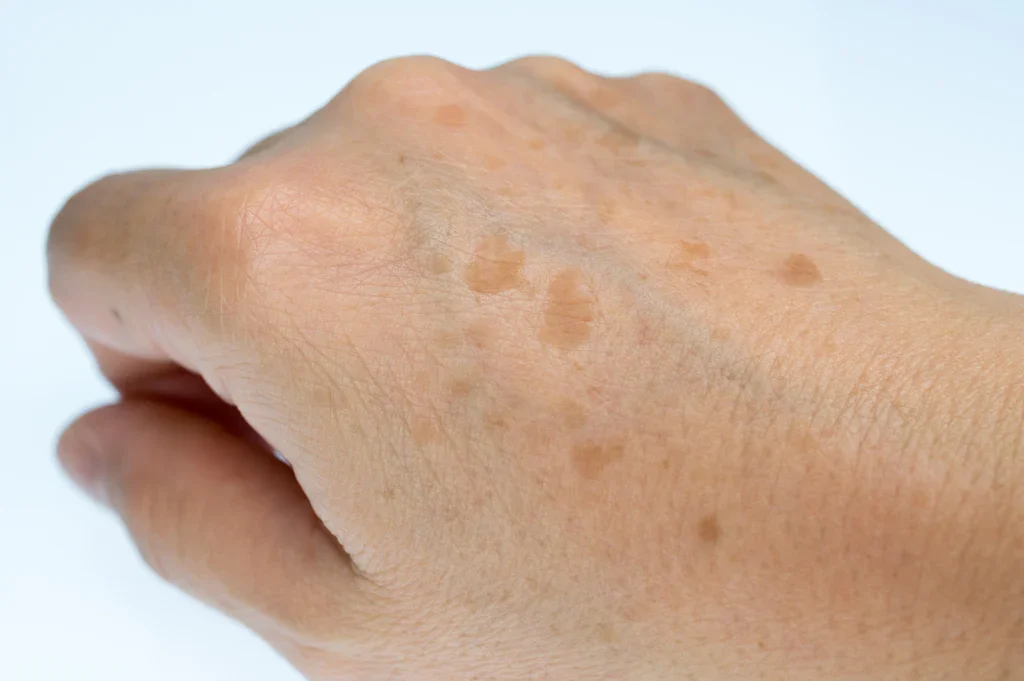
What is Hand Ageing?
The hands are often one of the first places to show visible signs of ageing, frequently appearing "older" than the face. This is because the skin on the back of the hands is exceptionally thin and constantly exposed to environmental aggressors. Hand ageing is characterised by a loss of dermal thickness, protruding veins and tendons, and the development of "age spots" or sun damage. As the structural support diminishes, the skin can take on a translucent, "crepey" appearance that many find affects their overall confidence.
How Ageing Hands Form
The transformation of the hands over time is a result of both internal biological depletion and cumulative external damage:
Loss of Subcutaneous Fat: One of the primary causes of an aged look is the thinning of the fatty layer beneath the skin. As this volume disappears, the underlying structures—such as veins, bones, and tendons—become much more prominent.
Collagen and Elastin Degradation: Like the face, the hands suffer from a slowdown in collagen production. This leads to skin laxity and the fine, wrinkled texture often described as "parchment skin."
Photoageing (Sun Damage): Because the hands are rarely covered, they receive significant UV exposure throughout life. This triggers an overproduction of melanin, resulting in solar lentigines (liver spots) and a mottled skin tone.
Environmental Depletion: Constant washing and exposure to household chemicals strip the hands of natural oils, weakening the skin barrier and leading to chronic dryness and increased vulnerability to damage.
How to Treat Ageing Hands
At Home: Jolanta’s Advice
Daily protection is the most effective way to slow the progression of ageing on the hands:
The "Driving" SPF: UV rays penetrate glass, meaning your hands are at risk even while driving. Keep a broad-spectrum SPF 30+ in your car or handbag and reapply frequently throughout the day.
Nightly Retinoids: Just as you apply Vitamin A to your face, apply a retinoid cream to the back of your hands at night to stimulate collagen and fade discolouration.
Barrier Repair: Use thick, emollient hand creams containing ceramides or urea, especially after washing, to lock in moisture and protect the skin barrier.
Wear Gloves: Protect your hands from chemical irritation by wearing gloves during household chores or gardening to prevent unnecessary skin stress.
At SCA Clinic
We offer specialised treatments to restore the volume and skin quality of the hands, mirroring the rejuvenation typically reserved for the face:
Dermal Fillers: Strategically placed hyaluronic acid fillers can instantly restore lost volume to the back of the hands, masking prominent veins and tendons for a softer, more youthful look.
Profhilo®: This injectable moisturiser is excellent for the hands. It bio-remodels the skin by stimulating collagen and elastin, significantly improving skin "snap-back" and hydration.
Polynucleotides: A regenerative treatment that repairs the skin at a cellular level, particularly effective for thickening the fragile, thin skin on the hands.
Chemical Peels: Professional peels can be used to lift sun damage and age spots, evening out the skin tone and brightening the overall appearance of the hands.
Mesotherapy: A cocktail of hyaluronic acid, vitamins, and minerals is delivered via micro-injections to deeply nourish and revitalise the skin from within.
For the best results and choice of treatment, book a consultation with Jolanta, Aesthetic Nurse Practitioner, to create a personalised treatment plan.
