
Skin Lesions
What is Clinical Lesion Management?
At South Coast Aesthetic Clinic, our clinical lesion management service provides a safe, precise, and professional pathway for the removal of minor skin imperfections. We understand that even benign lesions can affect self-confidence or cause physical discomfort when snagged on clothing. Utilising advanced cryotherapy and medical removal techniques, we address a variety of common concerns, including skin tags, milia, and other benign skin lesions. To ensure the highest standards of patient safety, we also provide a professional mole scanning service using ‘MapMyMole’; should any lesion require further investigation, we can facilitate a direct referral to dermatology for expert diagnostic assessment within 24 hours.
How Skin Lesion Removal Works
The removal process primarily utilises controlled clinical destruction of the target tissue. For many lesions, we employ cryotherapy, which uses extreme cold to freeze the cells within the lesion, causing them to naturally slough away over the following days. For deeper or more stubborn concerns like milia, precise manual extraction or advanced electrolysis may be utilised to clear the blockage or cauterise the tissue. This targeted approach ensures that the surrounding healthy skin remains unaffected, allowing for a clean healing process and a smoother skin surface.
Milia Removal
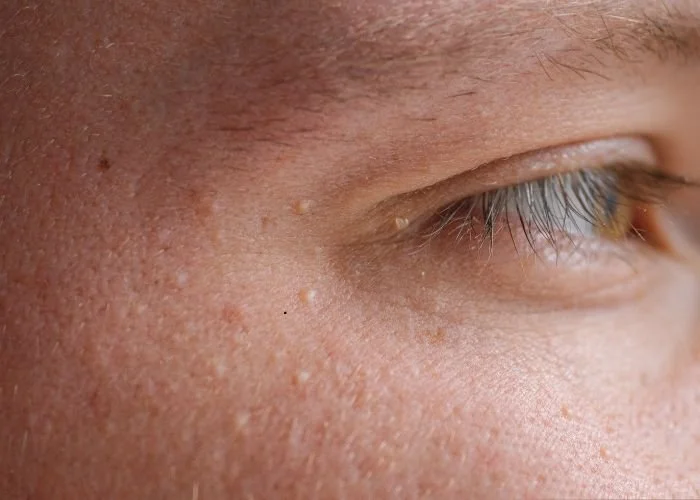
Milia are tiny, hard white cysts that occur when keratin becomes trapped beneath the surface of the skin, commonly found around the eyes and cheeks. Unlike general congestion, milia cannot be "squeezed" and require professional intervention to avoid scarring. Our clinical milia removal involves a delicate procedure to create a microscopic incision in the skin’s surface, allowing for the safe and complete extraction of the keratin plug. This treatment is ideal for those seeking a clearer, smoother complexion and refined skin texture.
Skin Tag Removal
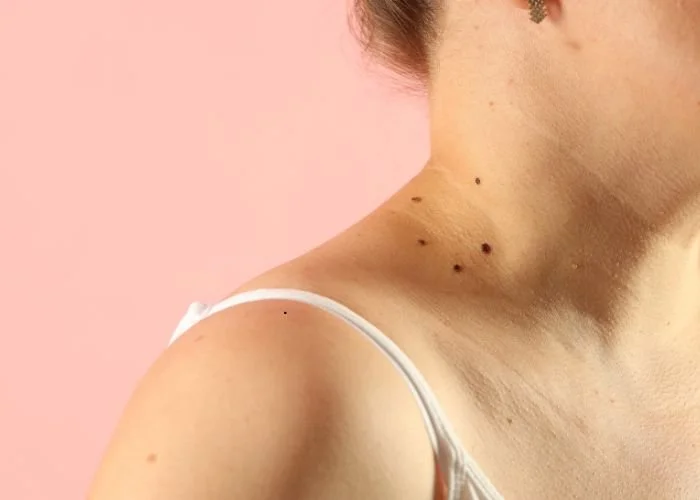
Skin tags are small, benign growths that often develop in areas where skin rubs against skin or clothing, such as the neck, axilla (armpits), or groin. While harmless, they can be unsightly or become irritated. Our removal procedure is designed to help eliminate these growths quickly and efficiently, typically using cryotherapy or cauterisation to sever the blood supply to the tag. This results in the tag drying up and falling off naturally, leaving the area clear and comfortable
Mole Scanning & Dermatology Referral
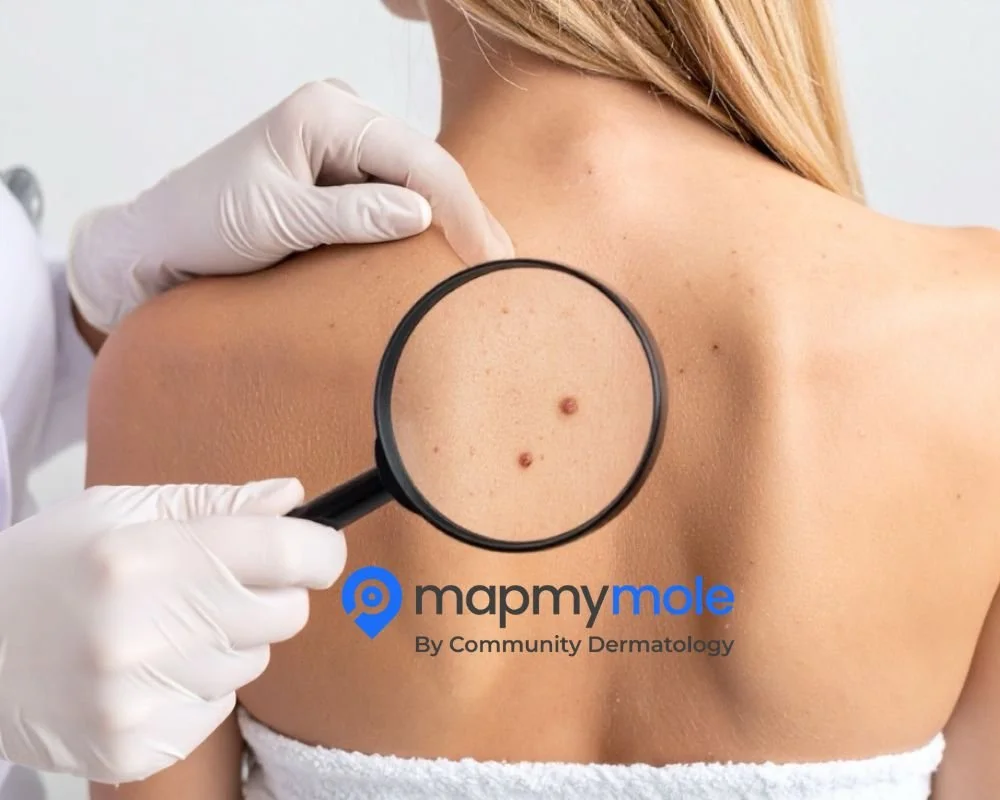
At South Coast Aesthetic Clinic, we prioritise clinical vigilance and proactive skin cancer prevention. Our enhanced Map My Mole service utilises high-magnification, medical-grade imaging to meticulously monitor the characteristics of pigmented lesions and track changes over time.
While we provide removal for benign aesthetic concerns, our primary focus is your long-term health. Any mole that displays suspicious features—such as asymmetry, irregular borders, or evolving colours—will not be treated for cosmetic purposes. In such instances, we facilitate a seamless referral to dermatology specialists for a formal biopsy or a detailed medical review. By integrating advanced digital mapping with expert screening, we ensure that your skin health is managed with the utmost integrity and professional care.
FAQs
Is this treatment safe? Yes, all lesion removal procedures at South Coast Aesthetic Clinic are performed by experienced practitioners using medical-grade equipment. We conduct a thorough assessment of every lesion prior to treatment to ensure it is suitable for aesthetic removal. Any lesion that appears medically suspicious will be referred for a specialist dermatological opinion.
Is the treatment painful? Most patients describe the sensation as a brief stinging or cold pinch, depending on the method used. The discomfort is momentary and generally very well-tolerated without the need for anaesthetic.
When will I see results? For milia removal, the results are often immediate. For cryotherapy-based removal of skin tags or lesions, the treated area will typically darken and form a small crust before falling away naturally within 7 to 14 days, revealing healthy new skin underneath.
What is the downtime? Downtime is minimal. You may experience slight redness or a small scab in the treated area for a few days. We advise keeping the area clean and dry to support the natural healing process.
What happens if a mole is identified as suspicious during my Map My Mole screening?
At South Coast Aesthetic Clinic, your safety is our absolute priority. If our high-magnification imaging or the Map My Mole clinical review identifies a lesion with irregular characteristics—such as asymmetry or evolving borders—we will not perform a cosmetic removal. Instead, we provide a seamless referral to a dermatology specialist for a formal medical review or biopsy. This rigorous screening process is a vital part of our commitment to skin cancer prevention, ensuring that any potential concerns are addressed by the appropriate medical experts before any aesthetic treatment is considered.
Aftercare Guidelines
Do not pick, scratch, or pull at any scabs that form, as this can lead to scarring or infection.
Keep the treated area clean and dry for the first 24 hours.
Apply a broad-spectrum SPF 50 to the area daily to prevent post-inflammatory hyperpigmentation.
Avoid using active skincare (retinols or acids) directly on the healing site for at least 7 days.
Refrain from swimming or using saunas until the area has completely healed.
Practitioner & Safety Note
All lesion management protocols at South Coast Aesthetic Clinic begin with a mandatory face-to-face consultation. This allows our qualified practitioners to assess the nature of the lesion, discuss potential risks, and confirm the most appropriate clinical method for removal or referral.
For the best results and choice of treatment, book a consultation with Jolanta, Aesthetic Nurse Practitioner, to create a personalised treatment plan.
