
Rosacea & Facial Redness
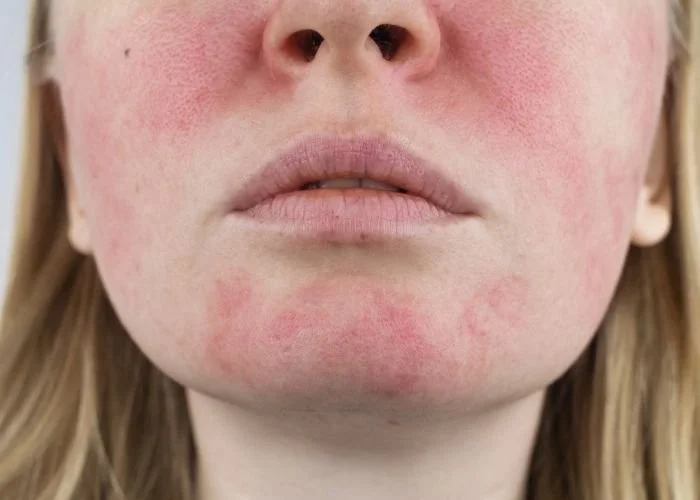
What is Rosacea & Facial Redness?
Rosacea is a chronic, inflammatory skin condition that primarily affects the central face, including the cheeks, nose, chin, and forehead. It often begins as a tendency to flush or blush more easily than others, but over time, it can lead to persistent facial redness and visible blood vessels (telangiectasia). In some cases, it may also involve small, red, pus-filled bumps that resemble acne. While the exact cause is unknown, it is a manageable condition that can significantly impact a person's self-esteem if left unaddressed.
How Rosacea & Facial Redness Form
The redness associated with rosacea is caused by a complex interaction between genetics, the immune system, and environmental triggers:
Vascular Reactivity: In individuals with rosacea, the blood vessels in the face dilate too easily. Over time, these vessels lose their ability to constrict back to their original size, leading to permanent redness and "thread veins."
Inflammatory Response: The skin's innate immune system reacts over-sensitively to certain triggers, causing inflammation that manifests as redness, swelling, and sensitivity.
Microscopic Mites: Research suggests that an abundance of Demodex mites, which live naturally on human skin, may trigger an immune response in some individuals, worsening the inflammation.
Environmental & Lifestyle Triggers: External factors do not cause rosacea but can cause "flares." Common triggers include UV exposure, spicy foods, alcohol (particularly red wine), hot beverages, and extreme temperatures.
How to Treat Rosacea & Facial Redness
At Home: Jolanta’s Advice
Managing rosacea requires a "less is more" approach to avoid upsetting the delicate skin barrier:
Identify Your Triggers: Keep a diary of food, weather, and activities to identify what causes your skin to flare, and try to avoid these triggers where possible.
Use Ultra-Gentle Skincare: Avoid harsh exfoliants, alcohol-based toners, or fragranced products. Use pH-balanced, "calming" cleansers designed for sensitive skin.
Daily Sun Protection: UV light is one of the most common triggers for rosacea. Apply a mineral-based broad-spectrum SPF 30+ daily, as physical blockers (like Zinc Oxide) are often better tolerated than chemical ones.
Cooling Techniques: Use cool water to wash your face and avoid hot saunas or steam rooms which can cause immediate flushing.
At SCA Clinic
We provide specialised treatments aimed at reducing inflammation and targeting the visible vascular components of rosacea:
Laser & Light Therapies: Advanced laser systems target the haemoglobin in the blood vessels, causing them to collapse and be naturally reabsorbed by the body, significantly reducing persistent redness.
Chemical Peels (Sensitive Range): We use specific, gentle peels (such as Mandelic or Lactic acid) that have anti-inflammatory properties to help calm the skin and improve texture without causing irritation.
Mesotherapy: A cooling cocktail of anti-inflammatory ingredients and antioxidants can be delivered into the skin to strengthen the skin barrier and reduce sensitivity.
Personalised Skincare Programmes: We can recommend medical-grade skincare specifically formulated to manage the redness and papules associated with rosacea.
For the best results and choice of treatment, book a consultation with Jolanta, Aesthetic Nurse Practitioner, to create a personalised treatment plan.
